Furnished Apartments: The Ultimate Guide to Hassle-Free Living
Finding a comfortable home can be time-consuming, but furnished apartments simplify the process. These ready-to-move spaces are equipped with essential furniture, appliances, and décor, offering an easy transition for tenants or buyers.
Whether you’re relocating for work, studying in a new city, or seeking temporary housing, furnished apartments deliver flexibility and comfort. This comprehensive guide explores what they are, their advantages, popular options, and expert tips for choosing the right one.
Understanding Furnished Apartments
A furnished apartment is a rental or owned property already equipped with furniture and household basics. Standard furnishings often include beds, sofas, dining sets, wardrobes, and kitchen essentials. Some even feature linens, art pieces, and premium appliances.
Unlike unfurnished homes, these properties allow occupants to settle in immediately without worrying about buying or transporting heavy items. They’re particularly useful for professionals on short assignments, students, or people moving to a new city.
Benefits of Furnished Apartments
Instant Convenience
The most significant advantage is immediate usability. Everything you need, from seating to cooking equipment, is already available. This eliminates the cost and effort of furnishing an entire apartment.
Cost Efficiency
While monthly rent for furnished units may be higher than for unfurnished ones, tenants save on upfront furniture purchases, delivery, and installation. For short stays, this often results in overall savings.
Stylish Interiors
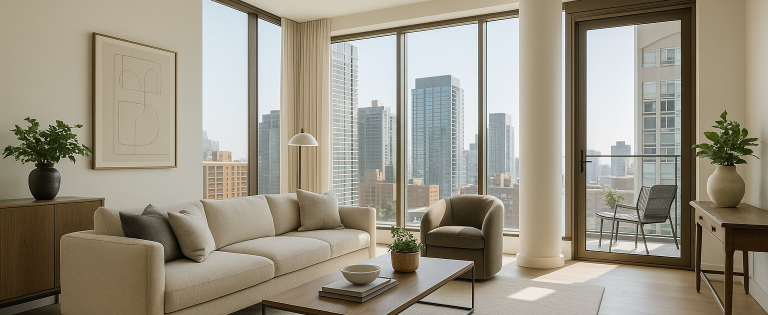
Many furnished apartments feature professionally curated décor. Coordinated furniture, artwork, and lighting create a warm, polished environment, which is appealing for people who value aesthetics but lack the time to design an interior.
Flexibility for Short or Long Stays
Furnished apartments cater to various timelines. They’re ideal for interns, business travellers, or anyone needing accommodation for several months without committing to buying furniture.
Minimal Relocation Stress
Moving into a pre-equipped home eliminates the hassle of arranging movers, assembling furniture, or setting up electronics. It’s a practical solution for frequent relocators or expats.
Popular Types of Furnished Apartments
Here are five real-world examples that illustrate the diversity of this housing option.
Corporate Housing Suites
These are fully equipped apartments tailored for professionals on temporary assignments. They include comfortable workstations, reliable Wi-Fi, and weekly cleaning services.
Luxury Serviced Apartments
Often located in prime districts, these units combine hotel-like amenities with the privacy of a personal residence. They may include concierge services, gyms, and rooftop lounges.
Student Furnished Flats
Designed for academic life, these homes provide study desks, bookshelves, and compact kitchenettes, meeting the needs of students who want functional, affordable spaces near campus.
Short-Term Vacation Rentals
Platforms offering holiday apartments provide furnished options with homely touches. They suit families or solo travellers who want more comfort and space than traditional hotels.
Long-Term Residential Furnished Units
Some developers offer premium apartments for extended stays, featuring high-quality furniture, smart appliances, and dedicated parking spots.
Technology in Furnished Apartments
Modern furnished apartments increasingly include smart technology. Tenants may find app-controlled lighting, thermostats, or keyless entry systems already installed. High-speed internet, integrated speakers, and streaming devices make them attractive for people who work or relax at home.
These tech enhancements boost security, energy efficiency, and convenience, making furnished apartments appealing for tech-savvy occupants.
Solving Common Problems with Furnished Apartments
People often face logistical challenges when moving to a new home — purchasing furniture, transporting it, and arranging layouts can be time-intensive. Furnished apartments eliminate these obstacles.
They also solve short-term accommodation problems. Instead of spending weeks furnishing a temporary space, tenants can focus on work, study, or leisure from day one. Landlords benefit too, as furnished properties typically attract a broader audience and higher rents.
Use Cases for Furnished Apartments
- Relocating Professionals: Individuals moving for work projects can enjoy a seamless transition without sourcing furniture.
- International Students: Furnished housing near universities allows students to focus on academics instead of logistics.
- Couples Testing a New City: Renting a stylish furnished flat helps couples explore an area before committing to permanent housing.
- Digital Nomads: Travellers who work online can settle quickly in fully equipped apartments, maintaining productivity on the move.
- Families on Extended Vacations: Furnished rentals offer more space and amenities than hotels, making long trips comfortable.
How to Choose the Right Furnished Apartment
- Set a Budget: Compare monthly rent with the value of included items and utilities.
- Evaluate Location: Proximity to work, schools, or public transport is key to daily convenience.
- Inspect Furnishings: Confirm the quality and condition of furniture, mattresses, and kitchenware.
- Check Lease Terms: Understand clauses about damage, maintenance, and furniture replacement.
- Visit in Person: If possible, tour the property to assess comfort, cleanliness, and natural lighting.
Buying or Renting Furnished Apartments
When renting, contact reputable agents or search trustworthy online platforms. Look for listings that specify included furniture and amenities. Ask for an inventory list and photos before signing agreements.
For buyers, furnished apartments can be excellent investments, especially in tourist hubs or business districts. They generate higher rental income, appeal to relocation clients, and save time on interior setup.
Maximising the Value of a Furnished Apartment
Once you move in, treat the furnishings with care. Adding personal items such as artwork, rugs, or cushions helps create a sense of home while keeping the original décor intact.
Consider insurance that covers both the property and its contents, especially if you plan to stay long term. Regular cleaning and gentle use ensure the furniture remains in good condition throughout your tenancy.
Future Trends in Furnished Apartments
The market for furnished apartments is growing alongside global mobility trends. Expect more eco-friendly designs featuring recycled materials, energy-saving devices, and smart home systems.
Hybrid models, combining furnished accommodation with coworking or community spaces, are becoming popular among freelancers and young professionals.
Final Thoughts
Furnished apartments provide a turnkey living solution for anyone seeking comfort, style, and practicality. Whether you’re a student, professional, traveller, or investor, these homes remove the complexities of furnishing and relocating. By carefully selecting a property that matches your needs, you can enjoy a seamless, comfortable lifestyle.
Frequently Asked Questions
1. What is usually included in a furnished apartment?
Most furnished apartments include essential furniture such as beds, sofas, tables, chairs, wardrobes, and kitchen equipment. Some also provide décor items, linens, and smart appliances.
2. Are furnished apartments more expensive than unfurnished ones?
Monthly rent tends to be higher, but tenants save money and effort by avoiding furniture purchases, moving costs, and setup fees.
3. How long can I rent a furnished apartment?
Lease terms vary widely. Options range from weekly or monthly rentals to long-term contracts, depending on the property and your needs.