Real Estate with Home Automation: A Complete Guide for Modern Buyers
Smart technology has become a defining feature in today’s property market. Real estate with home automation is no longer a luxury; it’s an expectation for buyers seeking convenience, efficiency, and enhanced security. Homes equipped with connected systems appeal to tech-savvy professionals, busy families, and investors aiming for high resale value.
From intelligent lighting to integrated security, home automation offers solutions that make daily life simpler and more enjoyable. Understanding how these systems work—and why they increase property value—helps buyers and sellers make informed decisions.
What Is Real Estate with Home Automation
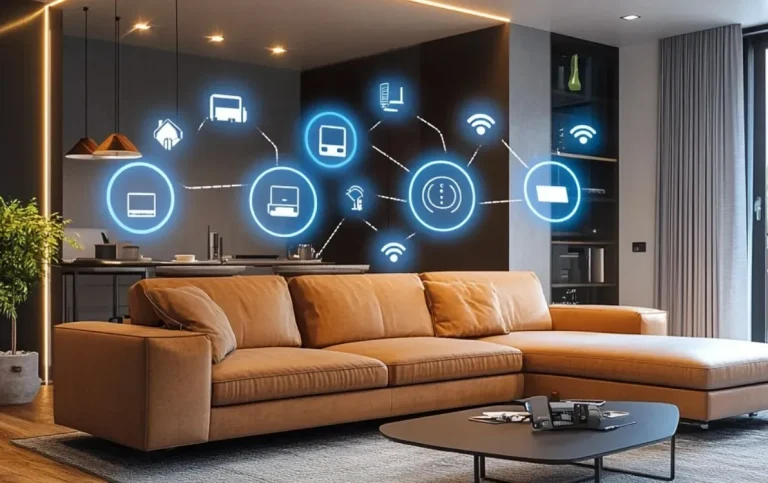
Real estate with home automation refers to residential properties designed or upgraded with smart devices that allow centralized control of lighting, climate, entertainment, security, and energy management. These systems connect via apps or voice assistants, enabling homeowners to manage their living spaces from anywhere.
A smart home may include automated blinds, motion sensors, smart locks, thermostats, cameras, and even kitchen appliances. All components are integrated into a single platform, making it easy to personalize comfort settings, reduce energy waste, and improve safety.
Benefits of Investing in Homes with Automation
Enhanced Comfort and Convenience
Automated systems allow you to control your environment without leaving your seat or even while away from home. You can adjust lighting, room temperature, or music through a smartphone or voice command. Pre-programmed scenes, such as “Movie Night” or “Good Morning,” set multiple devices simultaneously.
Increased Energy Efficiency
Smart thermostats, lighting schedules, and occupancy sensors help reduce electricity consumption. This not only lowers monthly bills but also promotes eco-friendly living. Many buyers consider automation an essential feature for sustainable homes.
Improved Security
Smart locks, doorbell cameras, and motion detectors offer continuous monitoring. Instant alerts keep homeowners informed about potential risks, while remote access lets you verify doors and windows or check live footage in real time.
Higher Property Value
Properties with built-in home automation attract more attention in competitive markets. Appraisers and buyers often place a premium on homes that already include modern systems, saving them the cost and effort of post-purchase installation.
Real-World Examples of Home Automation Products
Google Nest Smart Thermostat
The Nest Thermostat learns your preferences and adjusts temperatures automatically. It connects to Wi-Fi, allowing you to control heating and cooling from anywhere. Over time, it optimizes energy usage, helping homeowners save money.
Ring Video Doorbell
Ring provides a clear view of visitors through its HD camera, accessible from a phone or tablet. Motion detection, two-way audio, and live video enhance home security. Its sleek design fits various architectural styles.
Philips Hue Lighting System
Philips Hue lets you customize indoor and outdoor lighting with millions of color options. Using an app or smart speaker, you can set schedules, dim lights, or create ambience for parties and quiet evenings alike.
August Smart Lock
August Smart Lock replaces traditional keys with smartphone access. You can grant guests entry, check lock status remotely, and receive notifications when someone enters or exits. Its integration with voice assistants adds another layer of convenience.
Ecobee Smart Thermostat with Voice Control
Ecobee combines temperature management with built-in Alexa functionality. It monitors occupancy and adjusts settings accordingly, balancing comfort with efficiency.
How Home Automation Solves Everyday Problems
Home automation tackles common household challenges like energy waste, inconsistent temperatures, or forgotten security tasks. By linking devices to a single platform, homeowners eliminate guesswork. For instance, if you leave for work and forget to lock the front door, a quick tap on your phone secures it.
Parents appreciate being able to monitor children arriving from school, while travelers gain peace of mind by checking live feeds or adjusting settings remotely. Automation systems reduce stress by streamlining daily routines.
Why Buyers Prefer Automated Properties
Modern buyers value time and safety as much as square footage. A home equipped with smart solutions offers an edge over traditional listings. Families enjoy added protection and easy scheduling for lights, alarms, and thermostats. Professionals benefit from productivity and comfort when everything is ready before they arrive home.
Automation also supports aging in place. Seniors can rely on voice commands to adjust settings or use automated alerts in emergencies, allowing them to maintain independence longer.
How to Purchase Homes with Automation
To secure the best deal, start by working with real estate agents who specialize in smart properties. They understand which listings feature integrated systems and can explain their specifications.
When touring a home, ask about compatible platforms (such as Google Home, Alexa, or Apple HomeKit). Review which devices are included in the sale and whether warranties or service agreements transfer to new owners. If buying off-plan or from a developer, inquire about upgrade packages for automation features.
Tips for Maximizing Smart Home Value
- Keep firmware and apps updated to maintain security and efficiency.
- Combine multiple devices into scenes or routines to simplify daily actions.
- Schedule periodic system reviews to ensure equipment is functioning properly.
- Personalize settings for comfort, such as preheating rooms before you wake up.
- Consider professional installation for complex systems, especially integrated audio or security networks.
Final Thoughts
Real estate with home automation is more than a trend—it’s the future of comfortable and efficient living. Properties that incorporate smart systems meet growing buyer expectations while offering daily convenience and long-term savings. Whether you’re a homeowner looking to upgrade or an investor seeking high-value assets, choosing homes with automation ensures your property remains relevant in an evolving market.
Frequently Asked Questions
1. Do smart homes require professional installation?
Many devices are user-friendly and can be installed independently, but integrated systems involving wiring or multiple platforms often benefit from professional setup to ensure compatibility and security.
2. Will home automation work without the internet?
Basic features like local light switches may still function, but most automation relies on Wi-Fi or cloud services. A stable internet connection is essential for remote access and advanced scheduling.
3. Are smart homes safe from hackers?
Security depends on good practices. Use strong passwords, enable two-factor authentication, and keep firmware updated. Reputable products also include encryption to protect data and user privacy.