Smart Home Installation: Revolutionizing Modern Living
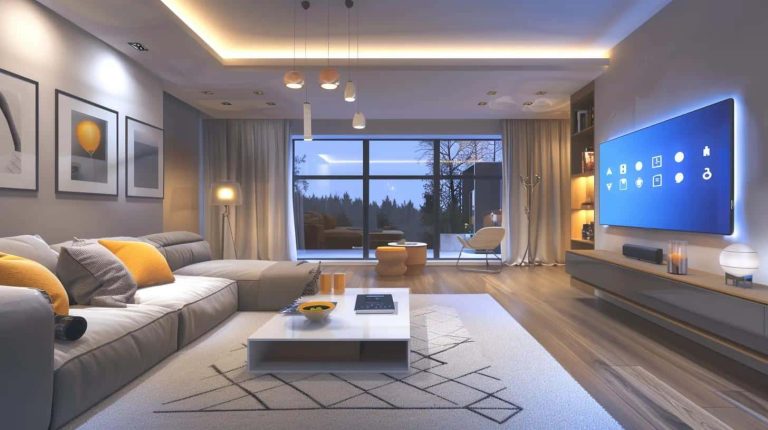
Smart home installation has become increasingly popular as homeowners seek convenience, security, and efficiency in their daily lives. By integrating technology into residential spaces, homeowners can control lighting, temperature, security systems, and entertainment from a single interface.
A well-installed smart home system transforms ordinary houses into intelligent living spaces. These systems not only enhance lifestyle convenience but also improve energy efficiency, safety, and property value. From controlling your thermostat remotely to managing security cameras in real-time, smart home technology provides unmatched control over your living environment.
The rising demand for smart home installations reflects a shift in how people perceive home ownership. Modern homeowners value not only aesthetic appeal but also technological sophistication that supports comfort, sustainability, and safety.
What Is Smart Home Installation?
Smart home installation involves integrating interconnected devices and systems that can be managed remotely or automatically. This includes lighting, heating, air conditioning, security cameras, smart locks, appliances, and entertainment systems. Proper installation ensures that all devices communicate seamlessly, often via Wi-Fi, Zigbee, or Z-Wave networks.
Professional installation provides homeowners with a tailored system based on their needs. Experts assess the home layout, existing wiring, and network infrastructure before implementing a fully integrated smart home solution. This ensures reliability, efficiency, and scalability for future upgrades.
Benefits of Smart Home Installation
Enhanced Convenience and Lifestyle
Smart home installation significantly improves daily living convenience. Homeowners can control multiple devices through mobile apps, voice commands, or centralized control panels. For example, residents can adjust lighting and climate settings before arriving home, creating a welcoming environment automatically.
Automated routines can be established for different scenarios, such as waking up, leaving for work, or going to bed. Smart appliances, including coffee machines and robotic vacuums, can be scheduled to operate at optimal times, saving time and effort.
Improved Energy Efficiency
Smart homes optimize energy consumption by monitoring and adjusting systems in real-time. Automated thermostats, intelligent lighting, and energy monitoring systems reduce unnecessary usage, lowering electricity bills and environmental impact.
Some installations include solar panels and energy storage integration, allowing homeowners to utilize renewable energy efficiently. The ability to track energy consumption encourages environmentally conscious behavior and cost-effective living.
Advanced Security
Security is a primary benefit of smart home installation. Integrated systems provide real-time alerts, video monitoring, motion detection, and smart locks. Homeowners can manage and monitor security systems remotely, ensuring peace of mind.
These systems also include automated features like lighting simulation during vacations, alert notifications for unusual activity, and remote access control for family members or service personnel, enhancing both safety and convenience.
Real-World Examples of Smart Home Installations
1. Nest Smart Home System
Nest provides an integrated platform for smart thermostats, cameras, and alarms. The system learns homeowner habits to optimize heating and cooling schedules automatically. Users can monitor security cameras, adjust temperature remotely, and receive alerts on mobile devices, enhancing convenience and safety.
2. Ring Alarm Security System
Ring offers a comprehensive home security solution with smart locks, cameras, and alarms. Its mobile app provides real-time notifications, remote access, and video monitoring. Ring also allows integration with voice assistants for seamless automation and control.
3. Ecobee Smart Thermostats
Ecobee thermostats monitor occupancy and adjust temperature to optimize energy efficiency. Integration with smart assistants allows homeowners to control heating and cooling using voice commands. Energy reports provide actionable insights for cost savings.
4. Philips Hue Smart Lighting
Philips Hue enables customizable lighting solutions with mobile and voice control. Users can set schedules, dim lights, and create mood-specific settings. Integration with security systems allows lights to simulate occupancy while away, deterring potential intruders.
5. Samsung SmartThings
Samsung SmartThings provides a unified platform for managing multiple smart devices. Homeowners can integrate sensors, cameras, locks, and appliances to automate routines. The system supports remote monitoring and advanced automation rules, improving lifestyle efficiency.
Use Cases: Solving Common Home Challenges
Efficient Home Management
Smart home installation simplifies managing household devices. Automated schedules, remote control, and monitoring reduce manual intervention, making home management stress-free. Homeowners can operate multiple systems from a single app, saving time and effort.
Enhancing Security and Peace of Mind
With integrated smart locks, cameras, and alarm systems, homeowners can monitor their property from anywhere. Real-time alerts and remote access ensure a secure living environment, even during vacations or work hours.
Energy Conservation and Cost Savings
Automated lighting, thermostats, and appliance scheduling prevent energy waste. Real-time energy reports allow homeowners to identify inefficiencies, resulting in lower bills and reduced environmental impact.
Personalized Living Experience
Smart homes adapt to individual preferences, providing comfort and convenience. Voice-activated controls, adjustable lighting, and automated entertainment systems create a highly personalized living environment.
How to Choose a Smart Home Installation Service
- Evaluate Experience and Expertise: Choose providers with proven experience in integrating multiple devices and systems. Check certifications and past projects.
- Assess Device Compatibility: Ensure the provider supports a wide range of smart devices and platforms for future scalability.
- Understand Installation Scope: Determine whether the service includes system design, device setup, network integration, and user training.
- Check Support and Maintenance: Opt for services offering ongoing support, firmware updates, and troubleshooting.
- Read Reviews and Testimonials: Customer feedback provides insight into service reliability and satisfaction.
A professional installation service guarantees seamless integration, avoids connectivity issues, and ensures maximum functionality and security.
How to Purchase Smart Home Devices
Homeowners can purchase smart home devices online from authorized retailers or in-store from technology providers. Popular platforms include electronics stores, official brand websites, and certified smart home integrators. When buying, consider compatibility, warranty, and ease of integration with existing systems.
Frequently Asked Questions
1. What devices are included in a smart home installation?
Smart home installations can include lighting, thermostats, cameras, locks, sensors, entertainment systems, and appliances, all integrated for remote control and automation.
2. Is professional installation necessary?
Professional installation ensures proper setup, device compatibility, network integration, and system reliability, reducing potential errors and connectivity issues.
3. How do smart homes improve energy efficiency?
Smart homes use automated schedules, occupancy detection, and energy monitoring to optimize usage, reducing waste and lowering electricity bills.