Real Estate with IoT Technology: The Future of Smart Living
The real estate market is evolving rapidly with the integration of Internet of Things (IoT) technology. IoT-enabled homes and buildings provide connected devices that enhance convenience, efficiency, and security. Investors, homeowners, and tenants are increasingly seeking properties that leverage smart technology for a more modern, connected lifestyle.
IoT technology connects sensors, appliances, security systems, and energy solutions to central networks, providing data-driven insights for better management. In real estate, this technology not only improves the quality of life but also adds measurable value to properties and supports sustainable living practices. With smart devices becoming more affordable, IoT integration in residential and commercial spaces is now more accessible than ever.
What Is IoT in Real Estate
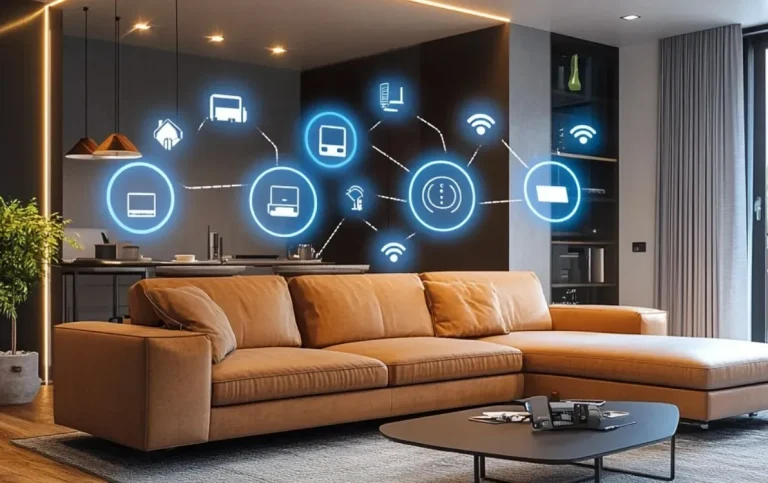
IoT in real estate refers to the integration of internet-connected devices into residential and commercial properties. This can include smart thermostats, automated lighting, security cameras, door locks, environmental sensors, and energy management systems. These devices communicate with each other and with centralized platforms, often accessible via mobile apps or cloud services.
For developers and property managers, IoT technology offers remote monitoring, predictive maintenance, and enhanced operational efficiency. For homeowners and tenants, it provides convenience, security, and cost savings. This interconnected system allows property owners to monitor multiple aspects of their homes simultaneously, from energy consumption to security alerts, all in real-time.
The market for IoT-enabled real estate is rapidly growing, driven by demand for smart homes, energy efficiency, and high-tech workplaces. Investors who embrace this trend may see higher property values, faster rental occupancy, and increased tenant satisfaction.
Benefits of IoT Technology in Real Estate
Energy Management and Sustainability
IoT devices can monitor energy usage in real-time, adjust heating and cooling automatically, and even manage lighting based on occupancy. This reduces utility costs and lowers carbon footprints. Smart energy systems help property owners identify inefficiencies, optimize energy consumption, and implement sustainable practices.
For instance, a smart thermostat can learn residents’ schedules and adjust indoor temperatures automatically for maximum efficiency. Lighting systems equipped with motion sensors turn off lights in unoccupied rooms, reducing electricity wastage. Solar panels paired with smart energy management can track generation and usage patterns, ensuring the home consumes energy in the most efficient way possible. These systems collectively save costs while supporting environmentally friendly living.
Enhanced Security and Safety
IoT technology significantly improves safety through smart locks, security cameras, motion sensors, and alarm systems. Remote monitoring allows homeowners to check their property from anywhere and receive alerts for suspicious activities. Advanced features such as facial recognition, access control, and direct integration with law enforcement enhance protection for both single-family homes and multi-unit buildings.
Additionally, smoke detectors, carbon monoxide alarms, and water leak sensors connected via IoT can prevent damage or emergencies by alerting residents instantly. In high-rise buildings, IoT-enabled fire safety systems coordinate emergency responses efficiently, minimizing risks and providing peace of mind for both property managers and residents.
Convenience and Automation
Automation is one of the most tangible benefits of IoT in real estate. Residents can control lighting, climate, appliances, and security systems through mobile apps or voice commands. Routine tasks such as adjusting thermostats, watering gardens, or locking doors become effortless.
Smart home hubs consolidate multiple devices into a single interface, allowing seamless control and personalization of the home environment. Residents can create custom automation routines, like turning off lights and locking doors at bedtime, or adjusting climate and lighting when arriving home. This convenience is increasingly demanded in modern residential and commercial properties, enhancing both comfort and productivity.
Increased Property Value
Homes and buildings equipped with IoT technology are often more attractive to buyers and tenants. Properties featuring smart security, energy efficiency, and automation tend to command higher prices and quicker sales. Real estate investors view IoT-enabled properties as strategic assets, providing competitive advantages in the property market.
Furthermore, IoT integration signals modernity and technological sophistication, making properties appealing to tech-savvy tenants and buyers. From smart thermostats to automated lighting systems, these features increase livability and demonstrate forward-thinking property design.
Real-World Examples of IoT-Enabled Real Estate Products
Smart Thermostats
Smart thermostats such as Nest and Ecobee optimize heating and cooling, learning user behavior to reduce energy usage and costs. They can be controlled remotely via smartphones, allowing homeowners to adjust temperatures before returning home, enhancing comfort while saving on utility bills.
IoT Security Cameras
Connected security cameras offer 24/7 monitoring of indoor and outdoor spaces. Features like motion detection, facial recognition, and mobile alerts provide proactive security. These cameras often integrate with smart door locks and alarms, creating a comprehensive security ecosystem for modern homes.
Smart Lighting Systems
Lighting solutions like Philips Hue or LIFX enable remote control and automation. Motion sensors, timers, and programmable lighting scenes improve energy efficiency and create customized environments. Residents can set lighting to match moods, schedules, or activities, enhancing both aesthetics and functionality.
Connected Appliances
IoT-enabled appliances such as smart refrigerators, ovens, and washing machines offer monitoring and alerts for maintenance, energy consumption, and performance. These devices streamline household management, increase efficiency, and contribute to a connected lifestyle.
Environmental Sensors
Water leak detectors, smoke alarms, and air quality monitors provide instant notifications for hazards. By integrating with other smart systems, these sensors can coordinate automated responses, prevent property damage, and enhance resident safety.
Use Cases: How IoT Solves Problems in Real Estate
Property Management and Maintenance
Property managers benefit from remote monitoring and predictive maintenance. Sensors on HVAC systems, plumbing, and electrical infrastructure alert managers to potential issues before they escalate, preventing costly repairs and downtime.
Smart Living for Tenants
Tenants enjoy enhanced comfort, security, and convenience. Automated routines reduce daily effort, and remote access allows peace of mind when away from the property. Residents can schedule appliances, lighting, and climate systems, creating a personalized environment tailored to their lifestyle.
Energy Efficiency and Cost Reduction
IoT systems optimize energy consumption, lowering utility bills for both owners and tenants. Smart devices adapt usage to real-time needs, ensuring efficient energy management throughout the day and minimizing waste.
Investment Opportunities
Investors can capitalize on the growing demand for smart homes. IoT technology makes properties more desirable, increases rental occupancy, and can provide valuable data for improving property management and operational efficiency.
How to Buy or Invest in IoT-Enabled Properties
- Research the Market: Identify developments or neighborhoods offering IoT-enabled homes.
- Evaluate Technology: Assess the type, compatibility, and reliability of smart devices and platforms.
- Understand Costs: Consider installation, subscription, and maintenance fees.
- Check Integration: Ensure devices can communicate seamlessly with other smart systems.
- Assess ROI: Review potential energy savings, property value appreciation, and tenant demand.
- Consult Professionals: Seek advice from real estate agents or developers familiar with smart property technology.
Investing in IoT-enabled real estate is not just a trend—it is a strategic decision to future-proof properties and provide residents with a connected, modern lifestyle. As IoT adoption continues to grow, early investors can enjoy both financial and functional advantages.
Conclusion
Real estate with IoT technology represents the next generation of smart living. From energy management and security to convenience and investment potential, IoT-enabled properties provide measurable benefits for homeowners, tenants, and investors. These homes combine innovation, efficiency, and sustainability, redefining modern real estate standards.
Frequently Asked Questions
1. What is the main advantage of IoT in real estate?
IoT enhances convenience, safety, energy efficiency, and property value, providing a better living experience for residents.
2. Are IoT-enabled properties more expensive?
While they may have higher initial costs, the long-term benefits, such as energy savings and increased property value, often outweigh the investment.
3. Can IoT systems be upgraded later?
Yes, most systems are modular and can accommodate new devices, software updates, and integrations with additional smart home technologies.