Why Eco-Friendly Houses Are the Future of Real Estate
Eco-friendly houses are no longer just a trend—they are rapidly becoming the new standard in real estate. With rising concerns about climate change, resource conservation, and sustainable living, the demand for eco-friendly housing is increasing worldwide. Homebuyers, investors, and developers are all recognizing the long-term benefits of building and owning sustainable properties.
From reducing energy bills to improving health and well-being, eco-friendly houses are transforming the way people think about real estate. They are not only environmentally responsible but also financially rewarding. This article explores why eco-friendly houses are the future of real estate, highlighting the benefits, challenges, and real-world products that make sustainable living accessible.
Understanding Eco-Friendly Houses
Eco-friendly houses are designed with sustainability in mind. They use materials, technologies, and construction methods that minimize environmental impact while maximizing efficiency and comfort. These homes typically feature renewable energy systems, energy-efficient appliances, water-saving fixtures, and sustainable building materials.
Unlike traditional homes that often rely on high energy consumption, eco-friendly houses are built to last while conserving resources. They focus on reducing carbon footprints, lowering long-term maintenance costs, and providing healthier living environments.
The Benefits of Eco-Friendly Houses
Reduced Energy Costs
Eco-friendly homes often come equipped with solar panels, smart thermostats, and high-quality insulation. These features reduce the reliance on fossil fuels and cut monthly energy bills significantly. Over time, homeowners can save thousands of dollars in utility expenses.
Improved Indoor Air Quality
Sustainable homes use non-toxic paints, low-VOC materials, and advanced ventilation systems to ensure healthier indoor environments. This improves overall well-being by reducing allergens, pollutants, and moisture problems.
Higher Property Value
Eco-friendly houses tend to have higher resale values due to growing demand. Buyers are increasingly willing to pay more for homes that come with energy savings, lower maintenance costs, and environmentally responsible features.
Long-Term Sustainability
With eco-friendly homes, sustainability is built into the foundation. From construction materials to energy systems, these homes are designed to last longer while consuming fewer resources, ensuring long-term benefits for both owners and the planet.
Challenges of Eco-Friendly Housing
While eco-friendly houses offer undeniable advantages, there are still challenges that slow their adoption.
Higher Upfront Costs
Many eco-friendly technologies, such as solar panels and energy-efficient systems, require higher upfront investment. Although the long-term savings are substantial, the initial price tag can be a barrier for some buyers.
Limited Availability
Not all regions have widespread eco-friendly housing options. Buyers may need to search harder or invest in renovations to make an existing home sustainable. This can limit accessibility for families in certain markets.
Real-World Examples of Eco-Friendly Housing Products
Eco-friendly houses are supported by innovative products and technologies that make sustainable living achievable. Below are five examples of real-world solutions that demonstrate how eco-friendly houses are transforming real estate.
Solar Panel Systems
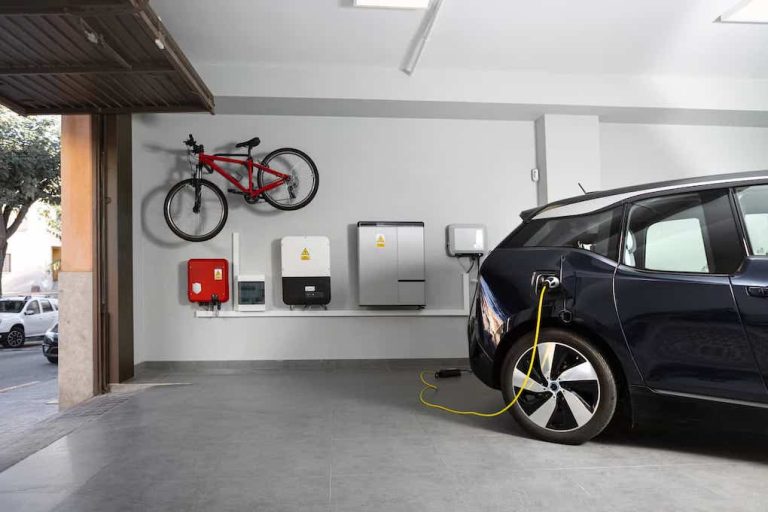
Solar energy is one of the most popular eco-friendly solutions for modern homes. Solar panels harness renewable energy from the sun to generate electricity, reducing dependence on fossil fuels.
Use Case: A family living in a suburban area installs rooftop solar panels, lowering their energy bills by 60% annually. Over ten years, they save enough money to cover their initial investment while reducing their carbon footprint.
Benefits: Lower energy bills, increased home value, renewable energy source.
Smart Thermostats
Smart thermostats optimize energy use by learning household patterns and adjusting temperatures accordingly. These devices can be controlled remotely, giving homeowners greater efficiency and comfort.
Use Case: An eco-friendly house equipped with a smart thermostat saves homeowners hundreds of dollars each year by automatically adjusting heating and cooling.
Benefits: Reduced energy waste, cost savings, and improved convenience.
Green Insulation Materials
Eco-friendly insulation made from recycled materials such as denim, cellulose, or sheep’s wool helps maintain temperature regulation without relying on harmful chemicals.
Use Case: A developer uses green insulation in a sustainable housing project, reducing heating and cooling costs by 30%. Residents benefit from lower bills and healthier indoor air.
Benefits: Energy efficiency, reduced environmental impact, improved indoor comfort.
Rainwater Harvesting Systems
Rainwater harvesting systems collect and store rainwater for household use, such as gardening, flushing toilets, and cleaning. This reduces reliance on municipal water supplies and promotes sustainability.
Use Case: A homeowner installs a rainwater harvesting tank, cutting water bills by 25% while maintaining a lush garden year-round.
Benefits: Reduced water costs, sustainable water use, and independence from municipal systems.
Energy-Efficient Appliances
Modern eco-friendly homes often include appliances that consume significantly less electricity and water. From refrigerators to washing machines, energy-efficient appliances save money while reducing environmental impact.
Use Case: A couple renovates their home with energy-efficient appliances, lowering electricity usage by 40%. Over time, their savings outweigh the upfront investment.
Benefits: Long-term cost savings, reduced environmental footprint, and improved convenience.
How Technology Shapes the Future of Eco-Friendly Houses
Technology plays a critical role in the growth of eco-friendly real estate.
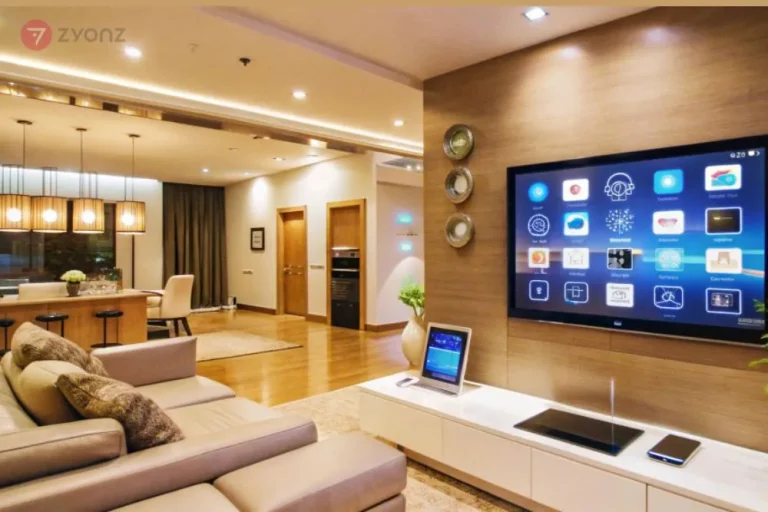
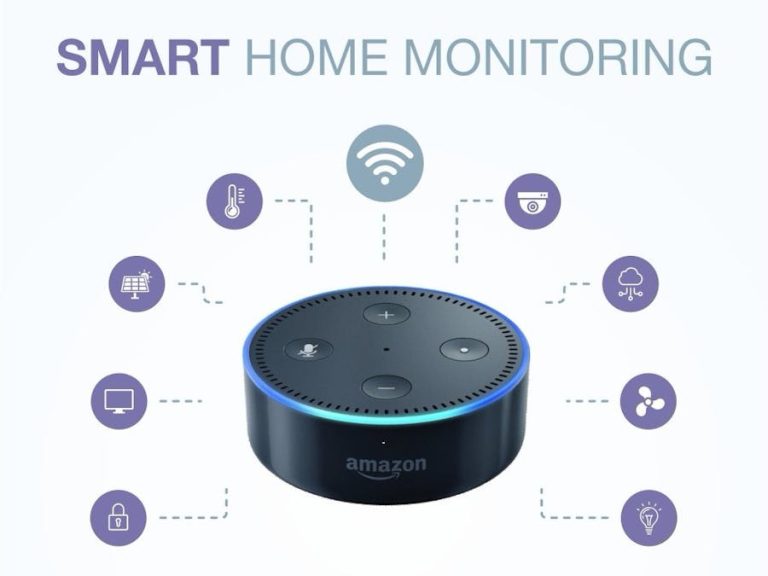
Smart Home Automation
Smart lighting, security, and energy systems make eco-friendly living easier and more efficient. These technologies allow homeowners to monitor and reduce consumption effortlessly.
3D Printing in Construction
3D printing is revolutionizing eco-friendly housing by reducing material waste and construction time. Homes built with 3D printing can be more affordable while maintaining sustainability.
Virtual Real Estate Platforms
Technology also enables buyers and investors to explore eco-friendly homes online, compare energy ratings, and make informed decisions faster.
Why Eco-Friendly Houses Are the Future of Real Estate
The growing demand for sustainable living, government incentives, and technological innovations are making eco-friendly houses the obvious choice for future real estate. Buyers prefer homes that lower long-term costs, while investors seek properties with higher resale values and market appeal.
Eco-friendly houses align perfectly with global priorities: reducing carbon emissions, conserving resources, and promoting healthier lifestyles. They represent not only a smart investment but also a moral responsibility toward future generations.
How to Buy Eco-Friendly Houses
Buying an eco-friendly home requires research and planning. Buyers should:
- Look for homes certified by recognized green building standards.
- Assess the energy efficiency and sustainability features of the property.
- Explore financing options, as many lenders now offer green mortgages with better terms.
Eco-friendly houses can be purchased directly from sustainable real estate developers, specialized agencies, or by renovating an existing property with green technologies.
Frequently Asked Questions
1. Are eco-friendly houses more expensive than traditional houses?
Yes, they often cost more upfront due to sustainable technologies. However, long-term savings on energy and maintenance usually outweigh the initial investment.
2. Do eco-friendly homes have higher resale value?
Absolutely. Buyers are increasingly willing to pay more for sustainable homes that reduce costs and environmental impact.
3. Can I make my existing home eco-friendly?
Yes. By adding solar panels, energy-efficient appliances, insulation, and smart technologies, any home can be upgraded to become more eco-friendly.